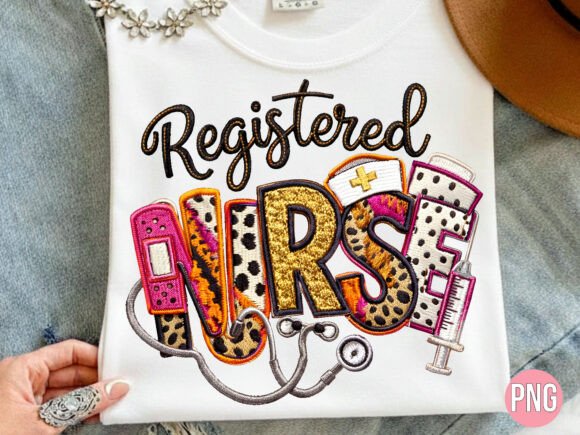
Registered Nurse Embroidery Style PNG: A Digital Design Guide
In the rapidly evolving world of digital crafting and print-on-demand entrepreneurship, the quality of your source files dictates the success of your final product. For creators looking to honor the healthcare profession through apparel and decor, the Registered Nurse Embroidery Style PNG has emerged as a vital asset. This specific type of digital design bridges the gap between traditional textile aesthetics and modern digital printing, offering a unique visual texture that resonates with both nurses and their supporters.
Understanding what you are purchasing and how to utilize these files effectively is crucial for achieving professional results. This article explores the intricacies of high-quality digital design files, specifically focusing on the embroidered aesthetic, and provides practical guidance on integrating them into your creative workflow.
Understanding the Embroidered Aesthetic in Digital Formats
At first glance, an embroidery-style image might seem like a simple photograph of thread work. However, a Registered Nurse Embroidery Style PNG is a meticulously crafted digital illustration designed to mimic the look and feel of stitched fabric. Unlike standard flat vector graphics, these designs incorporate shading, highlight variations, and texture maps that simulate the raised appearance of thread.
The primary advantage of this style is its warmth and tactile appeal. When applied to a t-shirt or a mug, the design does not look like a stark, computer-generated graphic. Instead, it offers a handcrafted, artisanal quality that consumers often associate with higher value and personal care. For registered nurses, who often wear their profession with pride, this aesthetic adds a layer of dignity and tradition to their merchandise.
Key Characteristics of High-Quality Files
Not all digital downloads are created equal. When evaluating a High-Quality Digital Design File, several technical specifications determine its usability across various platforms:
- Resolution: The gold standard for print-ready images is 300 DPI (dots per inch). This ensures that when the image is printed at its intended size, the edges remain crisp and the details do not pixelate.
- Transparent Background: A true PNG file should have a transparent background. This allows you to place the design over any colored fabric or surface without an unsightly white box surrounding the image.
- Color Accuracy: High-quality files use color profiles that translate well from screen to print, ensuring the "thread" colors look vibrant and realistic.
What You Will Receive: Unpacking the Digital Package
When you purchase a premium design asset, understanding the delivery format is the first step toward successful implementation. Typically, you will receive a single ZIP folder. It is essential to understand that this compression format is used to maintain file integrity during transfer and to reduce download sizes.
Important Step: Before attempting to use the design, you must unzip or extract the folder. Many users mistakenly try to open the design directly from within the compressed ZIP file, which can lead to software errors, slow performance, or corrupted previews. Always extract the contents to your local hard drive or cloud storage workspace first.
Inside the extracted folder, you will find the core asset:
- 1 PNG file: This is your master image. It is rendered at 300 DPI with a transparent background, ready for immediate use in most design software.
Before purchasing, please ensure that your editing or design software is compatible with PNG files. Most modern programs, including Canva, Adobe Photoshop, Silhouette Studio, and Cricut Design Space, handle PNGs with transparency effortlessly. However, older or highly specialized vector-only programs may require conversion, so checking compatibility beforehand saves time and frustration.
Versatility in Print on Demand and DIY Projects
The true value of a Registered Nurse Embroidery Style PNG lies in its versatility. Because it mimics a physical texture, it adapts surprisingly well to various substrates beyond just fabric. Here is how this design can elevate different creative projects:
Apparel and Wearables
This is the most common application. Whether you are using direct-to-garment (DTG) printing or heat transfer vinyl (HTV) with a printable sheet, the embroidered look adds sophistication to scrubs, t-shirts, and hoodies. For nurses working long shifts, wearing a shirt that looks professionally stitched rather than plainly printed can boost morale and professional pride.
Home and Office Decor
Beyond clothing, these designs are perfect for items that decorate a nurse’s personal space. Consider applying the design to:
- Mugs and Tumblers: A daily coffee companion featuring a subtle, stitched-look badge makes for a thoughtful gift.
- Pillows and Wall Decor: The texture of the design complements soft furnishings, creating a cozy, personalized touch in a break room or home office.
- Scrapbooks and Albums: For those documenting their nursing journey or graduation, the digital file can be printed on sticker paper or cardstock to create realistic-looking embellishments.
Small Business Applications
For entrepreneurs running small businesses, offering products with this specific aesthetic can help differentiate your brand. In a saturated market of generic medical clip art, the Registered Nurse Embroidery Style PNG offers a premium look that justifies a higher price point. It appeals to customers looking for gifts that feel personal and high-end.
Practical Considerations and Limitations
While digital embroidery styles are powerful, they are not magic. Understanding their limitations ensures realistic expectations and better outcomes.
Printing Method Matters: The "embroidered" effect is visual, not physical. If you print this PNG on a glossy photo paper, it will look like a picture of embroidery. If you print it on a textured canvas or a cotton t-shirt, the illusion is more convincing because the substrate matches the visual texture. Choosing the right material is half the battle.
Size Constraints: Even at 300 DPI, every raster image has a maximum print size before quality degrades. Always check the pixel dimensions of your PNG file. If the file is 3000x3000 pixels, it can print clearly at 10x10 inches. Attempting to stretch it to 20x20 inches will result in blurriness. Plan your product sizes accordingly.
Software Compatibility: As mentioned, ensure your software supports transparency. If you are using a program that only accepts JPEGs, you will lose the transparent background, requiring extra steps to remove the background manually. Sticking to PNG-compatible workflows streamlines your production process.
Evaluating Suitability for Your Needs
Is this design right for your next project? Ask yourself the following questions:
- Do I want a rustic or traditional look? If yes, the embroidery style is ideal. If you prefer a sleek, modern, minimalist look, a flat vector might be better.
- What is my end product? For dark-colored garments, ensure your printing method handles white ink well, as the light-colored "threads" in the design need to pop against the dark fabric.
- Am I comfortable with basic file management? You must be able to unzip files and handle high-resolution images. If you are new to digital design, take time to learn these basic skills to maximize the value of your purchase.
Conclusion
The Registered Nurse Embroidery Style PNG represents more than just a digital file; it is a tool for storytelling and appreciation. By combining the visual warmth of traditional needlework with the convenience of modern digital printing, creators can produce meaningful, high-quality items for healthcare professionals. Whether you are designing a single gift for a beloved nurse or building a inventory for a print-on-demand store, understanding the technical requirements—such as unzipping your files, checking DPI, and ensuring software compatibility—will empower you to create with confidence.
Remember, the best designs are those that are used thoughtfully. Take the time to match the right design with the right medium, and you will create products that truly resonate with their recipients. For more insights on digital design best practices, continue exploring resources that prioritize clarity, quality, and creative empowerment.